
Ando Raises $20M for a Slack Rival Built for AI Agents
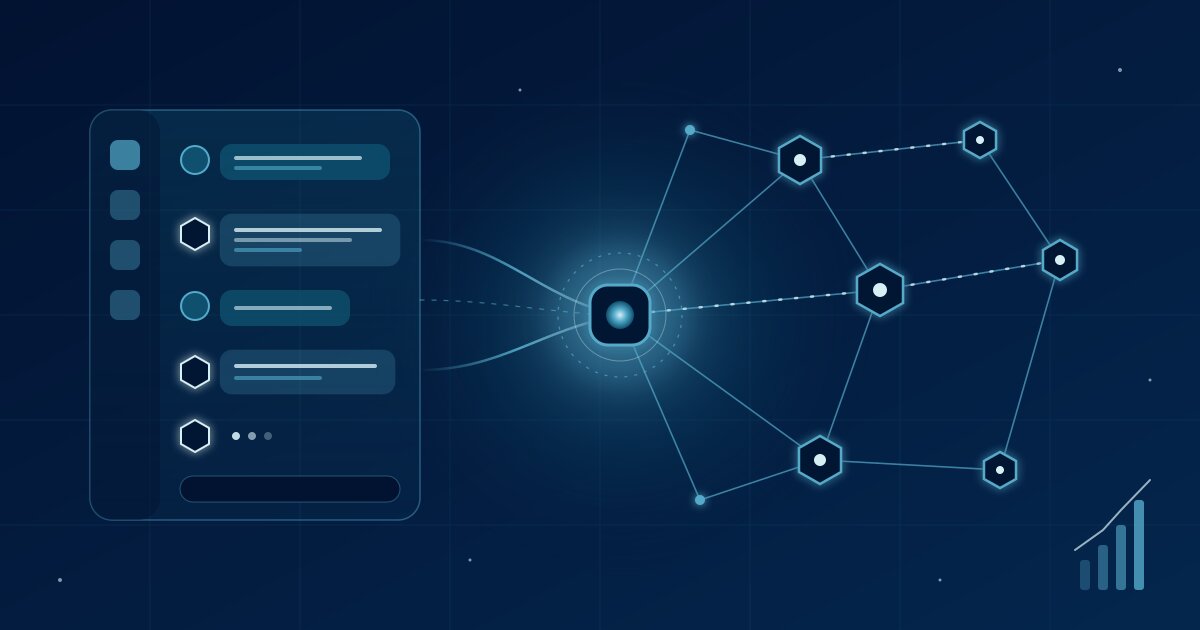
Most workplace messaging tools were designed for people typing to other people. AI agents came later and were added as apps. Ando, a startup that came out of stealth on Thursday, wants to reverse that order. It is building a team messaging platform designed for human and AI workers from the start.
The company also said it has raised $20 million in pre-seed and seed funding. Accel, Index Ventures and Emergence are among the investors.
From MCP servers to a messaging platform
The idea came from founder Sara Du's work in 2025, when she was helping companies build MCP servers. Customers kept asking how they could use AI agents inside Slack. The obstacles were technical. Messages had to pass back and forth, agents needed the right context, and all of it had to happen without exhausting token budgets.
The longer Du looked, the more she saw a design problem rather than a plumbing one. She told TechCrunch that Slack and Teams "were built for a world that was starting to pass us by." She added that agents "were treated as apps you install even as they were becoming participants in the team."
Du calls the result "meat proxies." The term describes people who end up relaying an agent's output to their colleagues. In her words, "The human effectively becomes the messenger between the agent and the rest of the company."
Agents with their own identities
Ando presents itself as a full replacement for Slack or any other internal messaging tool at companies that use AI agents. Each agent gets its own identity and inbox, and it can join conversations the way a person would.
The feature set looks familiar: channels, direct messages, group conversations and live calls. Calls can be transcribed and read by an agent. The difference lies in what agents are allowed to do. They can browse channels, decide which ones to join and enter a discussion without being tagged. If an agent concludes that a human colleague should know about something, it can message that person directly instead of waiting for approval. That level of autonomy for agents is central to the design.
Du wants agents to "participate in the shared conversations where work already gets coordinated." She said they should be able to understand why a decision was made, ask a colleague a question, build on another agent's work and bring in a human when judgment is needed.
A crowded field
The concept is not new. Slack has turned its native bot into an AI agent. Microsoft has worked hard to integrate Copilot into Teams and connect it to the rest of Office 365. A few months ago, Twitter and Block co-founder Jack Dorsey announced Buzz, which puts people and agents in one messaging app, although Buzz is aimed more at developers.
Du argues that an agent-native product still has an advantage while incumbents work out how to adapt their existing software. She is also candid about the early days. "A lot of people we showed it to early on were understandably unimpressed," she said. "It was, in many respects, just a jankier messaging platform."
Her view changed when customers began using Ando for longer periods. She also saw agents do things nobody had asked for. In one case, an agent noticed two channels discussing the same problem. It pulled everyone into a group chat, explained the context and suggested a decision. Du said agents could manage people better than humans can because they process far more messages in less time.
Small teams, larger ambitions
Ando currently works with customers in software, real estate and finance across 15 countries, though many of those teams are small. Du said the new funding will pay for more hires and more tokens.
She believes agents will let very small teams operate at a scale that once required hundreds of people. In her view, agents will take on more of the execution, research and coordination work. Humans will spend more of their time on judgment, strategy and deciding what should happen next.
Sponsored Recommended for you – discover more →