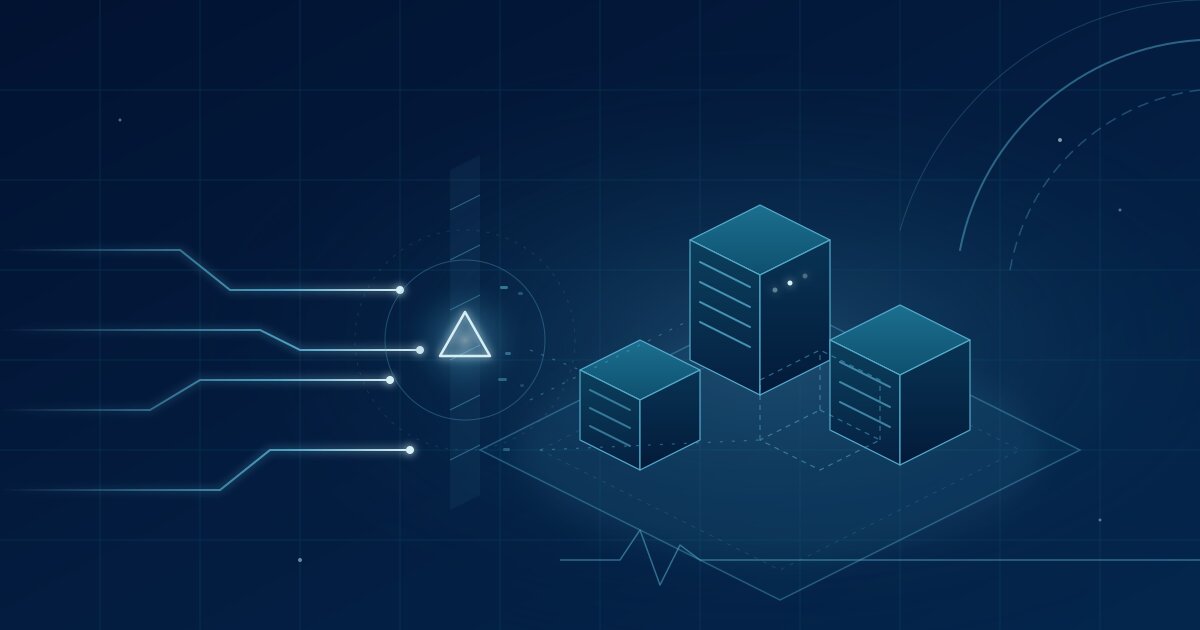
The push to build more AI capacity has mostly been a story about land, power lines and cooling on the ground. Google is now testing a different route: taking part of that infrastructure off the planet altogether.
The company's project is called "Suncatcher". The idea is to run AI computing in orbit and power it with solar energy rather than a terrestrial grid. It is an early-stage effort, and the first hardware is about to leave the ground.
A fridge-sized first step
According to The New York Times, Google's first experimental satellite, named "MVP", is scheduled to launch on 1 October. It will fly on a SpaceX Falcon 9 rocket from Vandenberg Space Force Base in California.
Most of the conversation around AI infrastructure is about capacity: more gigawatts, more campuses, more compute for the companies training frontier models. That makes sense on an investor slide. It is less helpful when a single site in New Mexico depends on a gas pipeline that has not yet been built.
Oracle has sent a force majeure notice to the developer behind Project Jupiter, a data centre campus in New Mexico that forms part of the Stargate initiative. Bloomberg first reported the move on Thursday. The notice does not mean Oracle is walking away. It does show how much of the AI build-out now rests on permits, pipelines and power supplies that no tech company fully controls.
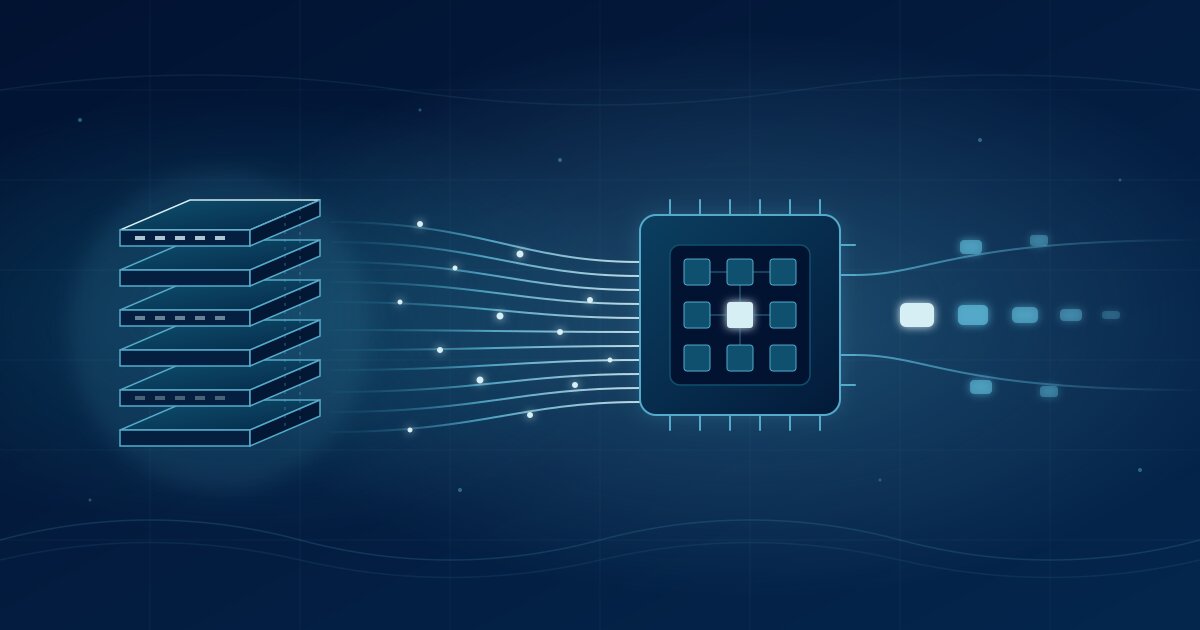
When a chatbot types out its answer word by word, the speed you see is often limited by how fast a chip can move data, not by how fast it can calculate. That is why memory bandwidth has become one of the most important specifications in AI hardware.
Every token needs the whole model
Language models generate text one token at a time. For each new token, the chip has to read the model's weights, often billions of numbers, from memory into its compute units. For a single user, the math performed on each weight is small. As a result, the processor spends much of its time waiting for data to arrive.
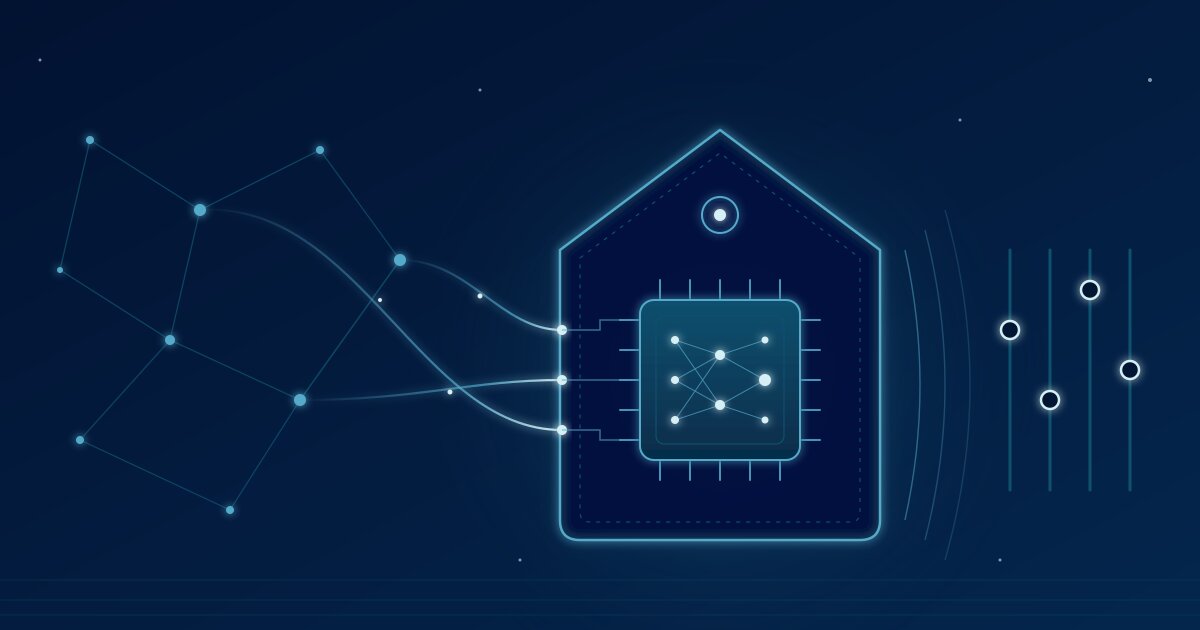
Open-weight models are improving quickly, and that progress is changing how organizations approach AI. A growing number of companies are no longer relying only on externally hosted services. Instead, they are running smaller models on their own infrastructure.
Privacy and Cost Drive the Shift
Two motivations stand out. The first is privacy. When a model runs on a company's own hardware, sensitive data stays inside its environment. The second is cost. For many workloads, a compact self-hosted model can be a more economical choice than paying for access to a larger external system.
CyrioX is financed by advertising. You can choose how you want to use this website:
With advertising: we load an advertising script from a third-party ad network. The ad network may set cookies, use your IP address and device information, and may process data outside the EU.
Ad-free for €0.99 per month: no advertising and no advertising tracking. Cancel at any time.
You can change your decision at any time via "Cookie Settings" at the bottom of every page.