
Gemini "Call for Me" Lets Google's AI Phone Businesses
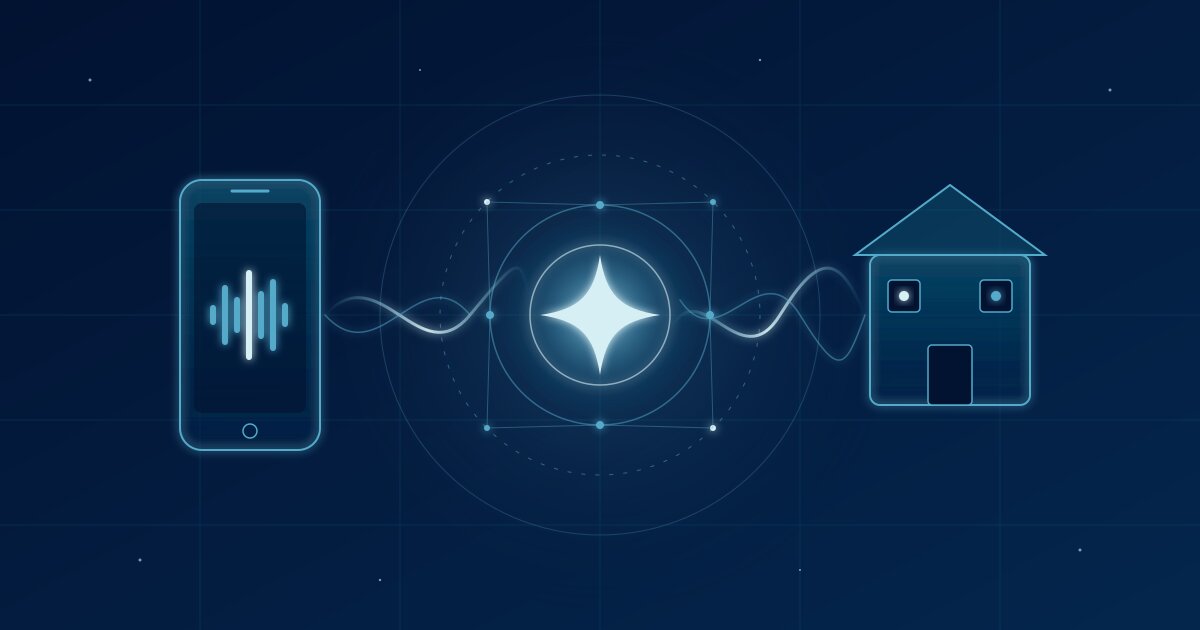
Most people have a list of phone calls they keep putting off: checking whether a shop still has an item, moving a dentist appointment, booking a table for Friday. None of these is hard, but each takes time, patience and often a long wait on hold. Google now wants Gemini to make those calls instead.
The company is testing a feature called "Call for Me," which lets its AI assistant phone businesses on a user's behalf. Rivals are moving the same way. AI agents such as Meta's Muse and Instinct can already place calls for their users, and Meta has been expanding what Muse can do across devices. Google's move shows that phone calls are becoming a new front in the contest between AI assistants.
A narrow first release
Access is limited for now. "Call for Me" is rolling out first to Pixel 11 owners in the U.S. who pay for a Gemini subscription. It also requires the beta version of Google's Phone app for Android. Google describes the feature as an experiment, and the beta requirement makes that clear.
Google gives a simple reason for starting small: "real-world conversations are nuanced." A reservation request can turn into a talk about seating, timing or deposits. A stock check can lead to questions about sizes or colours. The company says it needs time to get the feature right before offering it more widely.
What the assistant can actually do
Google has offered AI-guided calling tools for years, but earlier versions could only do a limited amount. The main change this time is personal information. Gemini can now share details that the user has approved during a call, and Google says this lets the assistant take on a wider range of tasks.
The examples are practical. Gemini can call a store to ask whether a product is in stock, book a restaurant table, move an appointment to another date, or ask a business to put items on hold. On a typical call, the assistant introduces itself, works through automated phone menus, waits on hold, and then speaks with whoever answers.
The user stays involved throughout. A live transcript shows the conversation as it happens, and the user can take over the call at any point. Calls go out directly from the user's phone and use their own number, so the business sees a familiar caller rather than an unknown line.
That design choice matters. When an agent can hand over personal details, the question of where the security boundary sits stops being abstract. Requiring approval for shared information, showing a live transcript and allowing an instant takeover are Google's answers to that question in this first version.
Built on years of experiments
"Call for Me" is the latest step in a long line of calling experiments at Google. The best known came years ago at the company's I/O developer conference. There, Google Assistant called a hair salon to book an appointment and even added small fillers such as "umm" and "ahh" to sound more natural. The demo impressed many viewers and showed how far automated speech had come.
Since then, the company has released a series of smaller tools. Last year it launched "Ask for Me," which let Gemini call businesses to ask about pricing or services. Pixel owners have also had "Hold for Me" and "Talk to a Live Rep," which navigate phone trees and wait on hold until a real person picks up. Another tool, "Direct My Call," shows the menu options of automated IVR systems on screen so users can move through them faster.
Each of these handled one part of a phone call: getting through the menu, sitting through the hold music, or asking a single question. "Call for Me" puts these parts together and adds the ability to act on the answer.
From helper to agent
This is the real shift. Earlier tools helped the user make a call. The new feature makes the call itself and completes the task at the other end. It is the difference between a satnav that suggests a route and a driver who takes you there.
Whether businesses and users are comfortable with that change is an open question, and the limited rollout suggests Google is asking it carefully. For now, the test is small: one phone line, one subscription tier and one country. If it works, the calls people keep avoiding may soon be handled by their assistant.
Sponsored Recommended for you – discover more →